Introduction
In the rapidly evolving landscape of telecommunications, Voice over Internet Protocol (VoIP) has emerged as a game-changer for businesses across the globe. For Oregon businesses, making the transition to VoIP can seem daunting, but with the right tips and strategies, it's not only manageable but can also significantly enhance communication efficiency and cut costs. In this comprehensive guide, we’ll explore VoIP transition tips that will help Oregon businesses keep their lines open while maximizing their investment in technology.
VoIP Transition Tips for Oregon Businesses: Keep Your Lines Open!
Transitioning to VoIP is an exciting opportunity for businesses looking to modernize their communication systems. But what exactly does this transition entail? To begin with, it involves moving from traditional phone lines to internet-based communications. This shift allows organizations to take advantage of advanced features such as video conferencing, instant messaging, and seamless integration with various applications.
Understanding VoIP Technology
What is VoIP?
Voice over Internet Protocol (VoIP) refers to a technology that enables voice communication using the internet instead of traditional phone lines. It converts analog voice signals into digital data packets which are transmitted over the internet.
How Does VoIP Work?
When you speak into a VoIP phone, your voice is converted into data packets that travel through the internet. The receiving party's device then converts these packets back into audible sound. This process allows for clearer calls and often at a fraction of the cost of traditional phone services.
Benefits of Switching to VoIP
Cost Savings
One of the most significant advantages of VoIP is cost savings. Traditional telephony can be expensive due to long-distance charges and maintenance fees associated with physical equipment. With VoIP, many features come at little or no additional cost.
Enhanced Features
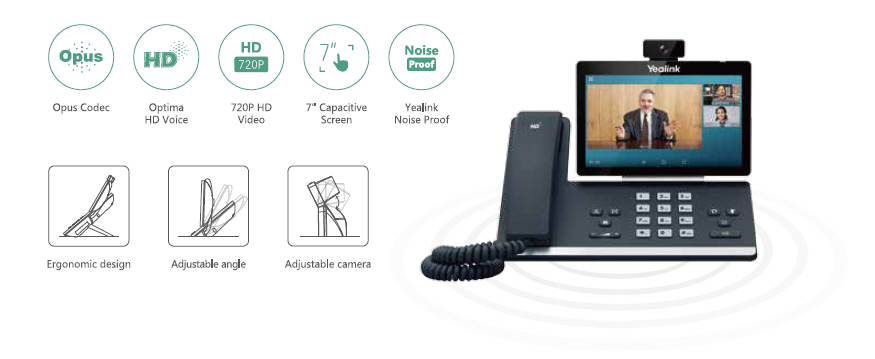
VoIP phones offer a plethora of enhanced features such as voicemail-to-email transcription, call forwarding, video conferencing capabilities, and more—features that are often either unavailable or costly on traditional systems.
Planning Your Transition
Assess Your Current System
Before diving headfirst into a transition, take stock of your current telecommunication system. Evaluate what works well and what doesn’t; this will guide you in choosing the right VoIP solution.

Set Objectives for Your New System
What are you hoping to achieve with your new VoIP system? Is it improved collaboration among teams? Better customer service? Setting clear objectives will help streamline your decision-making process.
Choosing the Right Provider
Research Providers
The market is filled with numerous VoIP service providers. Research and compare them based on pricing, features offered, scalability options, customer support reviews, and contract terms.
Evaluate Customer Support Options
Good customer support can make or break your experience with a service provider. Look for providers who offer 24/7 customer service availability through multiple channels.
Preparing Your Infrastructure
Internet Connection Requirements
A reliable internet connection is crucial for optimal performance of your VoIP system. Ensure that your existing bandwidth can handle increased load or consider upgrading your plan if necessary.
Quality of Service (QoS)
Implementing QoS settings within your network can prioritize voice traffic over other types of data traffic, ensuring that call quality remains high even during peak usage times.
Implementing Security Measures
Cybersecurity Considerations
With any internet-based technology comes potential security risks. Implement robust security measures such as firewalls and encryption protocols to protect sensitive information.
Regular Software Updates
Keeping your software updated ensures you have the latest security patches and features available—an essential step in maintaining both performance and security in a fast-evolving landscape.
Training Employees on New Systems
Conduct Training Sessions
Invest time in providing adequate training for employees transitioning to new VoIP phones. Understanding how to utilize all features effectively improves productivity significantly.
Create User Manuals
Consider creating user guides tailored specifically to your organization’s setup so employees have easy access to reference materials when needed.
Monitoring Performance Post-Transition
Regular Check-Ins
After transitioning, schedule regular check-ins to assess how well the new system functions compared to expectations set during planning stages.
Gather Employee Feedback
Collect feedback from employees about their experiences with the new system—what they like or dislike—and use this information for future improvements.
Common Challenges During Transition
Technical Issues
Technical challenges such as latency or dropped calls may arise during implementation; having an IT professional on hand can help troubleshoot these issues quickly.
Resistance from Employees
Change can be difficult; some employees may resist adopting new technology out of fear or uncertainty about its benefits. Address concerns through open dialogue and reassurance regarding training resources available.
Long-term Maintenance Strategies
Regular Audits
Conduct regular audits on usage patterns and costs associated with your VoIP service; identifying trends can reveal opportunities for further optimization down the line.
Stay Updated on Industry Trends
Keeping abreast of emerging technologies within telecommunications will ensure continued improvement in performance while remaining competitive within your industry sector.
FAQs About VoIP Transition Tips for Oregon Businesses: Keep Your Lines Open!
1. What are some common issues faced during a VoIP transition?
Common issues include connectivity problems due to inadequate bandwidth, employee resistance due to change fatigue, and technical glitches like call latency or dropped connections.
2. How do I evaluate which VoIP provider is best for my business?
Research potential providers by comparing pricing plans, feature sets relevant to your business needs (like conference calling), customer support reviews online as well as contract flexibility.
3. Are there specific requirements I need before implementing a VoIP system?
Yes! A reliable high-speed internet connection along with compatible hardware (like IP phones) is essential before transitioning fully into using Voice over IP systems.
4. What training resources should we provide employees during this transition phase?
Offer hands-on workshops coupled with written manuals detailing how different aspects work—this could include tutorials on installing apps used alongside their phones.
5. How much might I save by switching from traditional telephony services?
Savings vary per organization but switching typically reduces monthly bills significantly alongside eliminating long-distance fees previously incurred.
6.What additional features should I look out for when considering different providers' offerings?
Look out for advanced functionalities such as video conferencing capabilities integrated seamlessly within platforms plus mobile accessibility allowing remote work capabilities.
Conclusion
Transitioning from traditional telephony systems to Voice over Internet Protocol represents not just an upgrade but an evolution in communication strategies tailored specifically towards modern business practices today! Through thoughtful planning encompassing infrastructure readiness coupled with sufficient training resources provided upfront—Oregon businesses stand poised not merely surviving but thriving amidst today’s dynamic marketplace equipped fully utilizing cutting edge technology powered by robust highly scalable solutions designed specifically around unique organizational needs! Embrace these VoIP Transition Tips for Oregon Businesses: Keep Your Lines Open!, ensuring seamless connectivity fostering greater collaboration while ultimately enhancing overall operational efficiency long-term!
By carefully considering VoIP Phones in Barlow each aspect detailed herein—from assessing existing structures up until ongoing monitoring practices—Oregon organizations will undoubtedly realize tangible benefits reaped throughout this transformative journey toward embracing innovative advancements available via contemporary telecommunications solutions aimed directly improving overall engagement opportunities both internally amongst teams externally reaching customers alike! So don’t wait too long; get started today!